
Eye Care in Grenada: Why Regular Eye Exams Matter
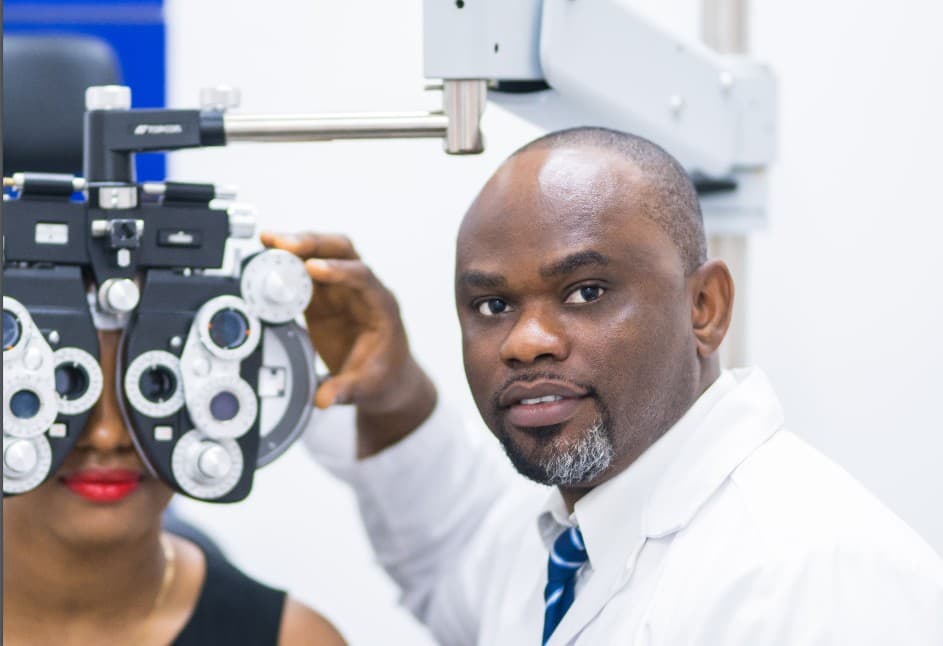
Eye Care in Grenada: Why Regular Eye Exams Matter More Than You Think
TL;DR: Most people only visit an eye clinic when something goes wrong. But conditions like glaucoma and cataracts develop silently, without pain or obvious symptoms, until significant damage is already done. Specialist Optical Grenada in L'anse Aux Epines offers comprehensive eye exams, designer frames from EC$115, and contact lens fittings — all backed by an internationally trained team serving Grenadians of all ages.
When did you last have your eyes examined? If you can't remember, you're not alone. Across the Caribbean, eye health is one of the most neglected areas of preventive care. People visit the dentist, get blood pressure checks, and manage their diabetes — but the eyes often get overlooked until something clearly goes wrong.
The problem is that many serious eye conditions don't announce themselves. Glaucoma, in particular, can quietly damage your optic nerve for years before you notice any vision loss. By then, the damage is irreversible. That's why professional eye care isn't just for people who need glasses — it's an essential part of looking after your health at every age.
For Grenadians across St. George's parish, Specialist Optical Grenada on L'anse Aux Epines Main Road provides that professional eye care: thorough examinations using state-of-the-art equipment, a curated selection of designer frames, and complete contact lens services, all delivered with the kind of personalised attention that's rare to find.
How Often Should You Get an Eye Exam?
Adults should have a comprehensive eye exam at least every two years. Once you're over 40, every one to two years is recommended. Over 65, annually. If you have diabetes, high blood pressure, or a family history of eye disease, you should be seen every year regardless of age.
The American Academy of Ophthalmology recommends that all adults have a baseline comprehensive eye exam by age 40, even those with no symptoms and perfectly clear vision. After that, your eye doctor will advise on the right frequency for your circumstances.
Children need exams too — ideally by age 6 months, again at age 3, and before starting school. According to All About Vision, approximately 80% of all learning comes through visual pathways, yet one in four children with a correctable refractive error doesn't have it properly treated. Blurry vision at school can look like a learning difficulty when it's actually a fixable vision problem.
The key takeaway: don't wait until you can't see clearly. By then, something may already be wrong that could have been caught earlier.
What Can an Eye Exam Actually Detect?
A comprehensive eye exam does far more than check whether you need glasses. It can detect glaucoma, cataracts, signs of diabetes, high blood pressure, and even early indicators of conditions your GP might not spot for months.
The eye is the only place in the body where blood vessels can be viewed directly, without surgery. That makes a thorough eye examination a surprisingly powerful diagnostic tool. Specialist Optical Grenada's internationally trained team uses state-of-the-art equipment to screen for conditions including:
Glaucoma — increased pressure inside the eye that damages the optic nerve over time. It's often called "the silent thief of sight" because it progresses without pain or noticeable symptoms until vision loss is significant. Early detection through tonometry (eye pressure testing) can allow treatment before irreversible damage occurs.
Cataracts — clouding of the eye's lens that develops gradually, often starting in your 50s. According to AARP, by age 80 more than half of Americans have had a cataract. Regular monitoring means you catch it early and can plan treatment on your own terms.
Diabetic retinopathy — one of the leading causes of blindness in working-age adults across the Caribbean. Diabetes damages blood vessels in the retina, and an eye exam can detect this before any vision loss occurs. If you have diabetes, annual dilated eye exams are non-negotiable.
Systemic health signals — elevated blood pressure, high cholesterol, and autoimmune conditions can all leave visible signs in the blood vessels of the eye. There are documented cases of patients whose eye doctor was the first to flag high blood pressure before a GP had identified it.
What Services Does Specialist Optical Grenada Offer?
Specialist Optical Grenada provides a full range of professional eye care services for all ages:
Comprehensive eye examinations — thorough exams using modern diagnostic equipment to assess vision and screen for eye diseases including glaucoma and cataracts. Not a basic vision screening but a complete assessment.
Designer frames and lenses — a carefully curated selection of frames from top international brands, with options starting from EC$115. The team helps you find frames that suit both your face shape and your lifestyle, whether you need reading glasses, distance glasses, or progressive lenses.
Contact lens fittings and care — professional fittings for both new wearers and experienced contact lens users, with ongoing guidance on care and hygiene. Contact lens fittings require a current prescription, so an eye exam is the natural starting point.
Senior eye care — the clinic specialises in serving older patients with compassionate, unhurried appointments and lens solutions tailored for common age-related changes. Presbyopia (difficulty focusing on close objects) typically begins around age 45 and a proper fitting makes an enormous difference to daily quality of life.
Insurance and payment options — Specialist Optical Grenada accepts most major insurance plans and offers flexible payment options to make quality eye care accessible across the community.
Why Choose an Internationally Trained Optometrist?
Not all eye care is equal. The difference between a basic vision screening and a comprehensive examination by an internationally trained clinician using modern diagnostic equipment is significant — especially when it comes to detecting conditions like glaucoma that leave no early warning signs.
Specialist Optical Grenada's team brings international training to a practice that's deeply rooted in the Grenadian community. They understand both the clinical standards expected from global training and the specific health context of their patients on the Spice Isle — where conditions like diabetes and hypertension are prevalent, and where access to specialist eye care has historically been limited.
That combination: international standards, local roots, and genuine personal service, is what sets this clinic apart from a basic optician.
Practical Tips for Eye Health in Grenada
A few things worth knowing for anyone living on or visiting the Spice Isle:
Protect your eyes from UV. Grenada's tropical sun is intense year-round. UV exposure accelerates cataract formation and increases the risk of other eye conditions. Quality sunglasses with proper UV protection are a genuine health investment, not just a fashion choice.
Screen time matters. Whether you're a student, an office worker, or spending hours on a phone, extended screen use causes digital eye strain — headaches, dry eyes, and blurred vision at the end of the day. An up-to-date prescription makes a real difference.
Don't ignore floaters. Occasional floaters (small spots or strings drifting across your vision) are usually harmless. But a sudden increase in floaters, flashes of light, or a shadow at the edge of your vision can indicate a retinal tear or detachment — a medical emergency. Don't wait if you experience these symptoms.
Book before you need glasses. Many people only visit an optometrist when they're squinting at a menu or struggling with night driving. A proactive exam when your vision still seems fine gives you a baseline, catches early disease, and means any changes are detected as they happen.
You can find Specialist Optical Grenada and other professional services in Grenada on GrenadaSearch.com.
Conclusion
Eye health is one of those things that's easy to put off until something forces your hand. But glaucoma doesn't hurt. Cataracts develop slowly. Diabetic retinopathy progresses without obvious symptoms. The only reliable way to stay ahead of these conditions is through regular professional eye examinations.
Specialist Optical Grenada at L'anse Aux Epines in St. George's provides that professional care: comprehensive exams with modern diagnostic equipment, designer frames from EC$115, expert contact lens fittings, and a team that's trained to international standards and genuinely committed to the community they serve.
If you can't remember your last eye exam, it's probably time to book one. Find Specialist Optical Grenada on GrenadaSearch.com or call (473) 449-2020.
Frequently Asked Questions
How often should adults in Grenada get an eye exam? Adults with no symptoms or risk factors should have a comprehensive eye exam every two years. From age 40, every one to two years is recommended, as this is when conditions like glaucoma, cataracts, and presbyopia become more common. Adults over 65 should be seen annually. According to the American Optometric Association, people who wear glasses or contact lenses should have annual exams regardless of age.
Can an eye exam detect conditions other than vision problems? Yes. A comprehensive eye exam can reveal signs of diabetes, high blood pressure, high cholesterol, and autoimmune conditions through examination of the blood vessels in the retina — the only place in the body where blood vessels can be seen directly without invasive procedures. Eye exams have been credited with identifying serious health conditions before a patient's GP had detected them.
What is glaucoma and why is it a risk in the Caribbean? Glaucoma is a group of eye conditions that damage the optic nerve, often caused by elevated pressure inside the eye. It develops without pain or early symptoms, earning it the name "the silent thief of sight." It's particularly relevant in the Caribbean because, according to eye health research, people of African descent face a significantly higher risk of developing glaucoma. Early detection through regular pressure testing is the only way to prevent irreversible vision loss.
What should I expect at a comprehensive eye exam at Specialist Optical Grenada? A comprehensive exam goes well beyond reading letters from a chart. You can expect visual acuity testing, eye pressure measurement (to screen for glaucoma), examination of the lens and retina, assessment of eye muscle function, and a review of your overall health history. The internationally trained team at Specialist Optical Grenada uses state-of-the-art equipment for accurate diagnosis across all age groups.
Does Specialist Optical Grenada accept insurance? Yes. Specialist Optical Grenada accepts most major insurance plans and offers flexible payment options to ensure that quality eye care is accessible to Grenadians of all backgrounds. Call (473) 449-2020 to confirm your specific coverage before your appointment.