
Grenada for Foodies: Your Complete Culinary Guide to the Spice Isle
TL;DR
Grenada is the world's first officially designated Culinary Capital, named by the World Food Travel Association. The Spice Isle produces around 40% of the world's nutmeg supply, hosts the Caribbean's only tree-to-bar chocolate festival, and serves a national dish that's been simmering in family pots for generations. This guide covers every essential food experience: oil down, spice garden tours, bean-to-bar chocolate, craft beer, aged rum, and the best restaurants in St. George's.
Imagine stepping off a plane and smelling cinnamon before you clear customs. That's Grenada. Most visitors arrive expecting turquoise water and leave obsessed with the food.
The Spice Isle isn't just a nickname. Grenada produces around 40% of the world's nutmeg supply, and that agricultural heritage runs through every dish on the island. It also holds the title of the world's first official Culinary Capital, awarded by the World Food Travel Association in recognition of its extraordinary food culture.
Most Caribbean travel guides focus on Grenada's beaches and dive sites. This one is different. It's written for foodies: travelers who want to eat local, drink craft, explore cocoa farms, and understand the history behind every bite. Whether you're planning your first visit or your fifth, this is your complete guide to eating and drinking your way across the Spice Isle.
Why Is Grenada the Caribbean's Ultimate Foodie Destination?
Grenada is officially the world's first Culinary Capital. The World Food Travel Association awarded this designation recognizing Grenada, Carriacou, and Petite Martinique for their extraordinary food culture. No other Caribbean destination has earned this title. The Spice Isle produces nutmeg, mace, cinnamon, cloves, ginger, cocoa, and more, all within one small, fertile island.
The World Food Travel Association announced the designation in June 2021. Kirl Grant-Hoschtialek, Acting CEO of the Grenada Tourism Authority, described it as "a huge achievement," noting that Grenada is "known around the world as the Spice of the Caribbean, so it is fitting that we are the first Caribbean island to earn this designation."
The culinary story here is rooted in history. Grenada's cuisine is a fusion of its cultural heritage, Amerindian, African, and European, with a generous helping of organically grown spices. The integration of spices into Grenada's cuisine has resulted in an overall robust and flavorful national food profile.
Now that Grenada's unique culinary culture is officially recognized, the Grenada Tourism Authority is set to market the destination to "foodie travelers" and further develop the island's food tourism offerings, putting Grenada on the map for consumers who travel for unique and memorable food and beverage experiences.
For foodies, this matters. Grenada has a structured, supported food tourism ecosystem. You'll find farm-to-table dining, spice estate tours, bean-to-bar chocolate, craft beer, aged rum, and a national dish that has been passed down through families for generations. Browse the restaurants and cafes on GrenadaSearch to see just how rich the local dining scene really is, with over 86 listings across the island.
What Is Oil Down? Grenada's National Dish Explained
Oil down is Grenada's soul food. It's a hearty one-pot stew of breadfruit, salted meat, dumplings, callaloo, and vegetables, slow-cooked in coconut milk until the liquid is fully absorbed and the coconut oil coats every ingredient. The name describes the process itself. Without breadfruit, you have a stew. With it, you have oil down.
Oil down is a stew of breadfruit, salted meat, chicken, dumplings, callaloo, and other vegetables, stewed in coconut milk, herbs, and spices. Every Grenadian family has their own version. Some add conch or crab. Others prefer pigtail and chicken. Okra, pumpkin, yam, and green bananas are common additions.
Oil down is Grenada's national dish and a melting pot of its cultural history. This hearty stew is made of local veggies, salted meat, and aromatic spices. It's a dish prepared cookout-style at social gatherings, where everyone brings something to put into the pot.
The cooking method is as important as the ingredients. Without breadfruit, you're making stew, not oil down. When assembling the dish, the pot is packed not stirred. Breadfruit wedges are stacked tightly along the sides of the pan, meat and marinade are poured into the center, and vegetables and callaloo are layered on top.
Oil down holds an iconic place in Grenadian culture. It's a staple at national celebrations, including Grenada's Independence Day on February 7th, where community groups and schools serve the dish as a symbol of national pride and identity.
When you see it on a menu in St. George's, order it. Restaurants around the Carenage serve it regularly. But locals will tell you the best oil down is always the one made at home, on a wood fire, by someone who learned the recipe by watching their mother.
What Are the Best Food Tours in Grenada?
Grenada's food tours go far beyond restaurant recommendations. They take you into spice gardens, working cocoa farms, local markets, and family kitchens. Operators run half-day and full-day experiences that blend cultural storytelling with serious eating. Expect to go from breakfast to lunch without sitting down at a single tourist trap.
Small cooking classes welcome up to 10 guests in local kitchens. Students spend three hours creating authentic three-course meals with seasonal spices while enjoying Caribbean Sea views. Local chefs take students through backyard gardens to pick fresh ingredients and spices.
The Culinary Safari at Tower Estate is one of the most celebrated experiences on the island. It combines a working spice plantation visit with hands-on cooking, teaching guests to prepare traditional Grenadian dishes from freshly harvested ingredients. Booking is essential, and groups are kept small.
The Spice Foodie Tour by Real Grenadian Tours is a popular half-day option. It moves through the historic Spice Market in St. George's, where local artisans display their aromatic spices and handmade crafts. Friendly vendors let visitors touch and smell their fragrant products, while experienced sellers share stories and explain how to use different spices.
TripAdvisor reviewers consistently call Grenada's culinary tours "a treat for all five senses" that "accurately capture the charm of Grenadian culture and cuisine."
Run a food tour or culinary experience in Grenada? Add your listing to GrenadaSearch and reach visitors who are actively searching for exactly what you offer.
Spice Garden Tours: Smelling the Spice Isle Up Close
Walking through a Grenadian spice estate is an experience that stays with you long after you leave. The air is warm and layered: cinnamon, nutmeg, cloves, and the sweeter, earthier scent of fresh cocoa pods. More spices are grown per hectare in Grenada than any other place in the world.
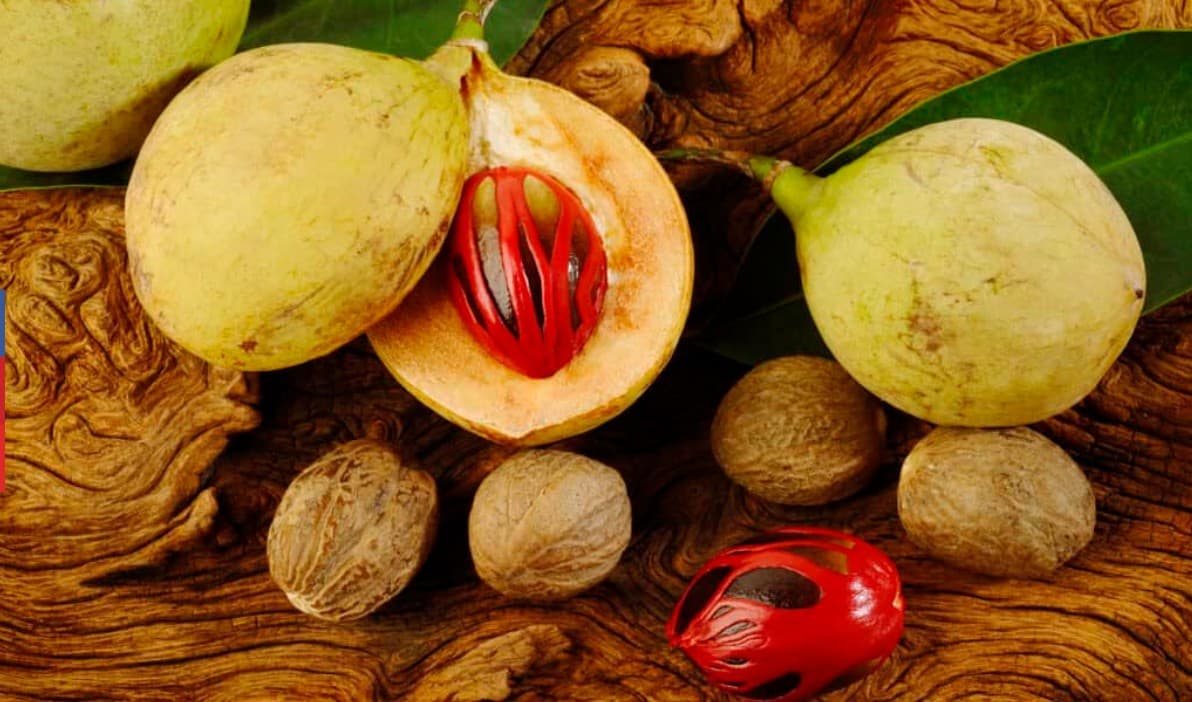
The Dougaldston Spice Estate in St. John is one of the most visited working plantations on the Spice Isle. Guided tours walk you through the cultivation, harvesting, and processing of nutmeg. You'll see the bright crimson mace webbing that surrounds each nutmeg seed, learn how it's separated by hand, and sample freshly grated nutmeg in its most fragrant form. Grenada is one of the world's top producers of cinnamon, mace, cloves, and produces a significant share of the world's nutmeg, all of which can be found around the island in ice cream, rum cocktails, and even on the national flag.
The Belmont Estate in St. Andrew is a standout agritourism destination. Tours of the 400-acre property's spice-filled gardens, museum, and goat milk farm culminate in a mountainside lunch buffet of garlic roasted chicken, stewed beef, and grilled fish, served alongside rice, red beans, and a salad bar. The estate also runs a working cocoa operation with bean-to-bar tours year-round.
Laura Herb and Spice Gardens in St. David focuses specifically on medicinal and culinary herbs alongside classic Grenadian spices. Guides are passionate and knowledgeable, and samples are always included. Tours typically cost between EC$20 and EC$60 per person. Book in advance during peak season (January through May).
The nutmeg story is woven into Grenada's national identity. Nutmeg and its partner spice mace are some of the world's most highly prized spices. Wars have been fought over nutmeg, and the reason we speak English in New York City has a lot to do with the 1668 peace treaty between the British and the Dutch, which traded the nutmeg-and-mace-producing islands of the Moluccas for the island of Manhattan.
The Grenada Chocolate Festival: A Bean-to-Bar Caribbean Celebration
The Grenada Chocolate Festival is the only tree-to-bar chocolate festival in the Caribbean. It runs each May and draws cocoa enthusiasts from around the world. The 12th edition took place May 22 to 27, 2025, hosted at True Blue Bay Boutique Resort. Grenada is home to over 3,000 cocoa farmers and seven bean-to-bar chocolate makers.
As the only tree-to-bar chocolate fest in the Caribbean, this event has become a pivotal gathering for cocoa and chocolate enthusiasts from around the world, offering a rare opportunity to indulge in Grenada's celebrated chocolate-making traditions, explore its lush cocoa farms, and savour its world-class chocolate.
Grenada isn't just another stop on the chocolate map. It's one of the few places in the world where chocolate is still made the old-fashioned way, from tree to bar. Thanks to its rich volcanic soil and ideal climate, the island produces some of the finest organic and ethically sourced cocoa. In the early 2000s, local chocolate makers like Grenada Chocolate Company pioneered a movement toward bean-to-bar artisanal chocolate, producing small-batch, ethically sourced chocolate using sustainable farming practices.
Festival highlights include cocoa farm tours led by local farmers, chocolate factory tours, a Chocolate Dinner Experience, a Cooking with Chocolate Competition, chocolate and rum cocktail making, and a Chocolate Wellness Day. A popular feature night is at the West Indies Brewery, a local craft brewery that makes chocolate-based beer especially for the Festival every year. In addition to the mainstays, the founder really keeps the Festival fresh with new additions: art and self-care sessions, rum pairing, sailing excursions, cooking demos, and educational activities.
Even outside festival season, cocoa farm tours run year-round across St. Andrew. You can harvest a cocoa pod, ferment and dry your own beans, and taste the finished chocolate directly from the maker. It's slow food at its most compelling.
Craft Beer and Rum: Drinking Like a Grenadian
Grenada's drinks scene has quietly become one of the Caribbean's most interesting. The Spice Isle has two breweries, multiple rum distilleries, and a cocktail culture built on fresh-pressed nutmeg, hand-harvested spices, and local spirits.
The West Indies Beer Company, nestled in the scenic area of Lance aux Epines, has established itself as a premier destination for beer enthusiasts. Since its humble beginnings in 2014 in a small wooden hut at True Blue Resort, the brewery has grown into a spacious brewpub with a wide selection of craft beers and ciders. Visitors can sample a variety of brews, from IPAs and stouts to unique local flavors like ginger beer and chocolate porter made with cocoa from Tri Island Chocolate. Fan favorites include the Windward IPA and the Chocolate Mongoose Porter. Happy hour runs daily from 4 to 7 PM. It's a perfect stop after a day at Grand Anse Beach. Find bars and craft drink spots through the bars and nightlife listings on GrenadaSearch.
For rum, nothing compares to the River Antoine Rum Distillery in St. Patrick. Established in 1785, River Antoine Estate is the oldest rum distillery in Grenada, where rum is manufactured and produced using the oldest functioning waterwheel in the Caribbean, exactly how it was made then.
The sugarcane is harvested by hand from the estate and crushed by rollers run by a water wheel, powered by water channelled via an aqueduct. The wheel was made over 200 years ago. The juice of crushed canes is run into boiling vats to which molasses is added, then allowed to ferment using natural yeasts. The distillery produces only two rums: a 56% for export and a 76% for the domestic market.
Tours are inexpensive and deeply informative. Westerhall Estate and Clarke's Court Rum Distillery offer polished, visitor-friendly tastings with broader product ranges. Between the brewpub in Lance aux Epines and the distilleries scattered across the island's parishes, you won't run dry.
Where to Eat in Grenada: St. George's Restaurant Scene for Foodies
The Carenage in St. George's is Grenada's culinary heartbeat. Restaurants cluster around the harbor offering fresh local seafood, crab back, oil down, and rum punches topped with freshly grated nutmeg. Prices range from EC$20 for street food to EC$200 for fine dining. Grand Anse adds beachside options from casual to polished.
BB's Crabback, tucked near Market Square in St. George's, is famous for one dish: local land crab meat mixed with cheese, white wine, and rich cream, cooked together and stuffed back into its original shell. Pair it with a rum punch spiked with freshly grated nutmeg from the spice market two streets away.
The Beach Club at Calabash delivers fine dining right on the waterfront, with a menu built around fresh local seafood, house-made cocktails, and themed dinner nights. It's one of the most scenic dining experiences on the Spice Isle and a consistent recommendation among visitors looking for an elevated evening out.
For something more casual, Savvy's Beach Cabana on Grand Anse serves BBQ, snacks, and cold drinks from 10am to sunset. Amara's Restaurant and Bar in Lance aux Epines is another local favorite worth seeking out for authentic Grenadian cooking without the resort price tag.
Street food is an underrated part of the Grenada food story. Around the Carenage and Market Square, vendors sell roasted corn, fish cakes, bakes (fried dough), and fresh coconut water. A full street-food lunch costs EC$5 to EC$15. Before you leave, find nutmeg ice cream. It's Grenada in a scoop.
Find the full list of dining options by neighborhood in the St. George's parish directory on GrenadaSearch, with restaurants filtered by location.
Conclusion
Grenada is the Caribbean's most underrated foodie destination. The gap between what the Spice Isle offers and what most travelers expect is enormous, and that gap is your advantage. You'll find fewer crowds, more authentic experiences, and food that hasn't been diluted for tourist palates.
Start with oil down. Take a spice garden tour. Time your trip for the Grenada Chocolate Festival in May if you can. End an afternoon at the West Indies Beer Company with a Chocolate Mongoose Porter and watch the sun drop over Lance aux Epines.
Three things to take away:
- Always order oil down when you see it on a menu.
- Book spice garden and cocoa farm tours in advance during dry season (January through May).
- The Grenada Chocolate Festival is worth building a trip around.
Explore restaurants, cafes, and food experiences across the Spice Isle in the GrenadaSearch directory, with over 86 listings covering every taste and budget.
Frequently Asked Questions
What is the national dish of Grenada? Oil down is Grenada's national dish. It's a stew of breadfruit, salted meat, chicken, dumplings, callaloo, and other vegetables stewed in coconut milk, herbs, and spices. Every Grenadian family has their own version. Breadfruit is the one non-negotiable ingredient. It's served at family gatherings, cookouts, and national celebrations including Independence Day on February 7th.
Is Grenada a good destination for foodies? Yes, without question. Grenada and sister islands Carriacou and Petite Martinique were named the world's first Culinary Capital by the World Food Travel Association. The Spice Isle produces around 40% of the world's nutmeg supply, hosts the Caribbean's only tree-to-bar chocolate festival, and has a craft brewery, multiple rum distilleries, and a restaurant scene that ranges from dockside shacks to fine dining.
When is the best time to visit Grenada for food experiences? The Grenada Chocolate Festival takes place in late May each year. The 12th edition ran May 22 to 27, 2025. The dry season runs January through May and is the best window for spice garden and cocoa farm tours. Estates are most accessible, food tours run most frequently, and the weather is reliably warm and clear. If you can only visit once, target May for the Chocolate Festival.
What spices does Grenada grow? More spices are grown per hectare in Grenada than any other place in the world. The main crops are nutmeg, mace, cinnamon, cloves, ginger, and turmeric. Nutmeg is the most iconic: it appears on the national flag and has defined the island's economy for over 150 years. You'll find these spices used in everything from oil down to rum cocktails, artisan chocolate, and nutmeg ice cream.
Where can I find the best restaurants in Grenada? The highest concentration of restaurants is in St. George's, particularly around the Carenage harbor and Grand Anse Beach. Options range from EC$20 street food to EC$200 multi-course fine dining. The GrenadaSearch restaurants and cafes directory lists over 86 dining options across the island, organized by parish, making it easy to find great food wherever you're based on the Spice Isle.